Long-Term
Luminous Lives, Remarkable Legacy:
The Radium Girls' Fight for Workplace Rights and Employer Responsibilities
1. Reforms: Knowing their death was approaching, these women fought for workers rights. They played a major role in the foundation of organizations and changes to occupational disease labor laws, establishing employers’ responsibility for their employees’ health and safety.
"The courage of these women to take legal action against their employer, and the subsequent hearings and national media attention, led to changes in regulations governing national labor safety standards. It established occupational disease labor law."
(Government of New Jersey)
"The women, somewhat to their surprise, had become poster girls for workers’ rights. Already, they had effected a significant change in the law that protected thousands of vulnerable employees and removed a loophole by which corporations could shirk their responsibilities."
(Moore 351)
2. The Manhattan Project: Manhattan Project scientist, Glenn Seaborg, wrote “As I was making the rounds of the laboratory rooms this morning, I was suddenly struck by a disturbing vision of the workers in the dial-painting industry.” (Mullner 125) Seaborg suggested researching plutonium. The Radium Girls’ tragedy prompted non-negotiable safety standards when constructing the atomic bomb. However, the Trinity Test’s radioactive debris spread across residential areas. Furthermore, poor waste disposal caused health issues and contamination. Consequently, the 1990 Radiation Exposure Compensation Act addressed radiation exposure from atomic weapons, uranium activities, and milling.
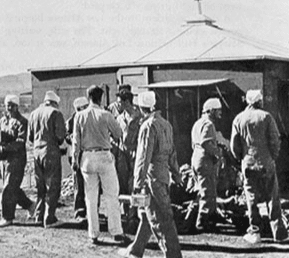
"Trinity test radiation safety team." (US Department of Energy)
"Previous experience in the radium industry gave us precise knowledge on the limits of protection which would have to be met in dealing with many of the radioactive solids, liquids, and gases developed in our process. Not only have these limits been defined for radium by the National Bureau of Standards, but even the maximum allowable amount of radium which a worker could take into his body without causing injury was known, defined, and could be measured in the body. "
(Mullner 127)
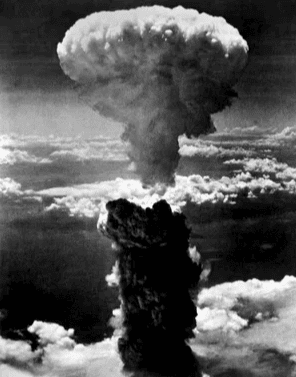
"On August 9, 1945, three days after detonating a uranium-fueled atomic bomb over Hiroshima, Japan, the United States dropped a plutonium-fueled atomic bomb over the Japanese port of Nagasaki." (Britannica 2025)
(2025)
3. Federal Employees Compensation Act: In 1949, Congress passed the FECA, entitling workers to compensation for occupational illnesses and extending the statute of limitations.
"The courage of these women to take legal action against their employer, and the subsequent hearings and national media attention, led to changes in regulations governing national labor safety standards. It established occupational disease labor law. It required safety precautions and protective gear for radium dial painters, as radium paint was still used on dials as late as the 1960s.
Congress eventually passed a bill in 1949, making all occupational disease compensable, and extended the time for workers to discover illness and file a claim. "
(Government of New Jersey)
"Occupational Safety and Health Administration."(OSHA 2020)
"The Occupational Safety and Health Administration (OSHA) was eventually established in 1970, partly due to the legacy of the Radium Girls. OSHA set and enforced safety guidelines across various industries."
(Factual America)
4. OSHA: The Radium Girls played a crucial role in establishing OSHA, signed into law by President Nixon on December 29, 1970. OSHA has been responsible for enforcing safety protocols across various industries including those of radioactive materials.
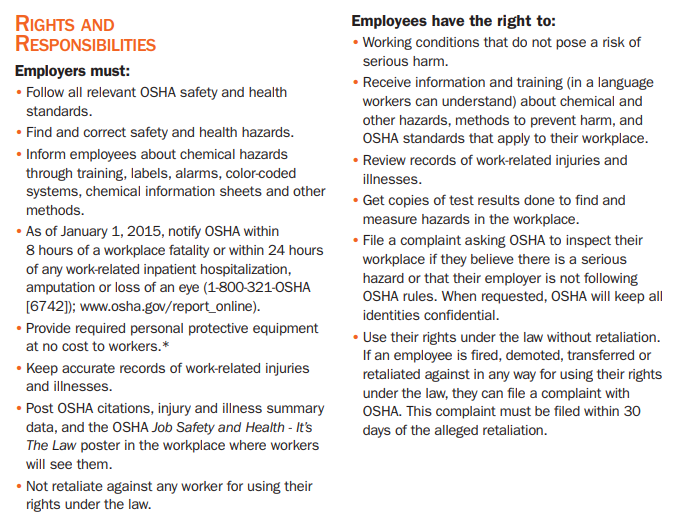
"Rights and Responsibilities." (Occupational Safety and Health Administration 2014 )
"The Occupational Safety and Health Administration enforces regulations that protect workers, so that they are not exposed to hazardous conditions like safety hazards or health hazards. They visit job sites if a worker complains about conditions and do an inspection or they target certain types of hazards and unannounced arrive at job sites to make sure the employers are following the regulations."
~ Personal interview with Anne Bracker, Occupational Safety & Health Program Manager. (2025)
(2025)
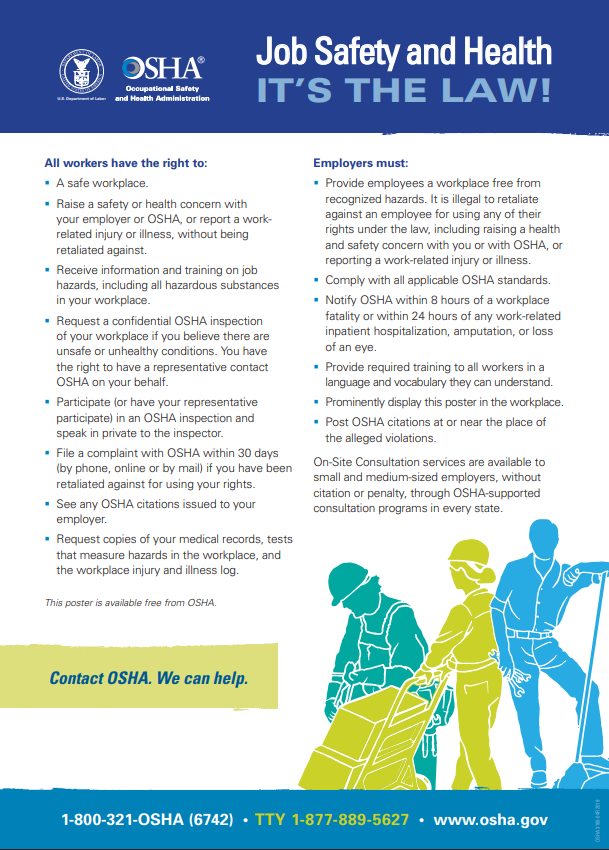
"This poster summarizes workers’ rights and employers’ responsibilities under OSHA. All workplaces are required to post it." (Bracker 2025)
"The "radium girls" – factory workers who, in the 1920s, painted watch faces with glow-in-the-dark radium paint and developed infections and jaw cancer from licking their brushes into fine points… Going forward, the NRC is focused on working with the current owners and state and local governments to clean up these contaminated commercial sites… The NRC is also supporting Agreement States to ensure possibly contaminated sites in their jurisdictions do not pose a risk to public health and safety."
(NRC 2021)
5. Nuclear Regulatory Commision (NRC): The NRC was established in 1974, regulating nuclear energy, and radioactive materials in the US. Workers using radioactive material need a license.
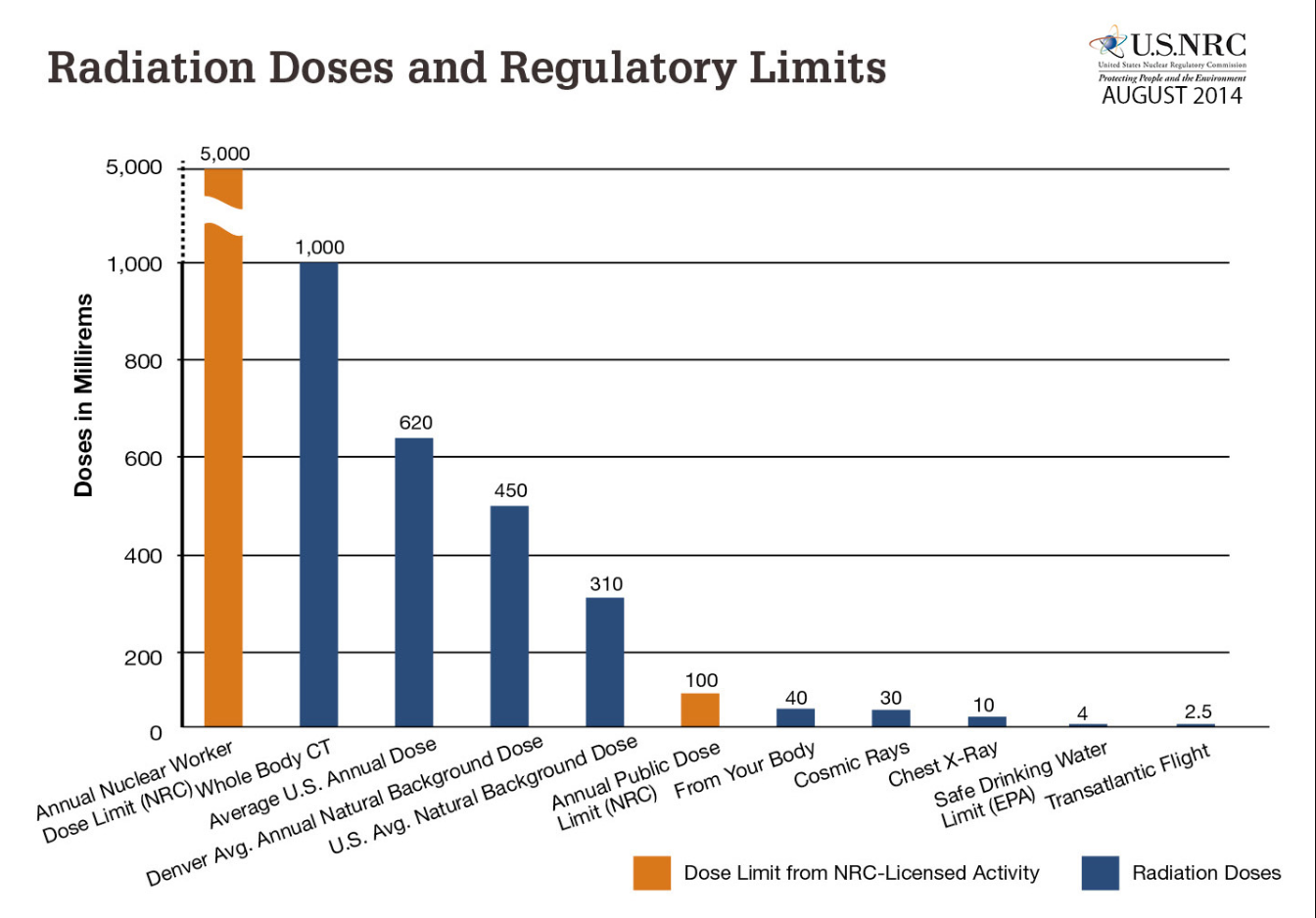
"This plot compares the maximum doses to both radiation workers and the public as given in NRC regulations (orange bars) to other doses of interest." (Baumer 2015)
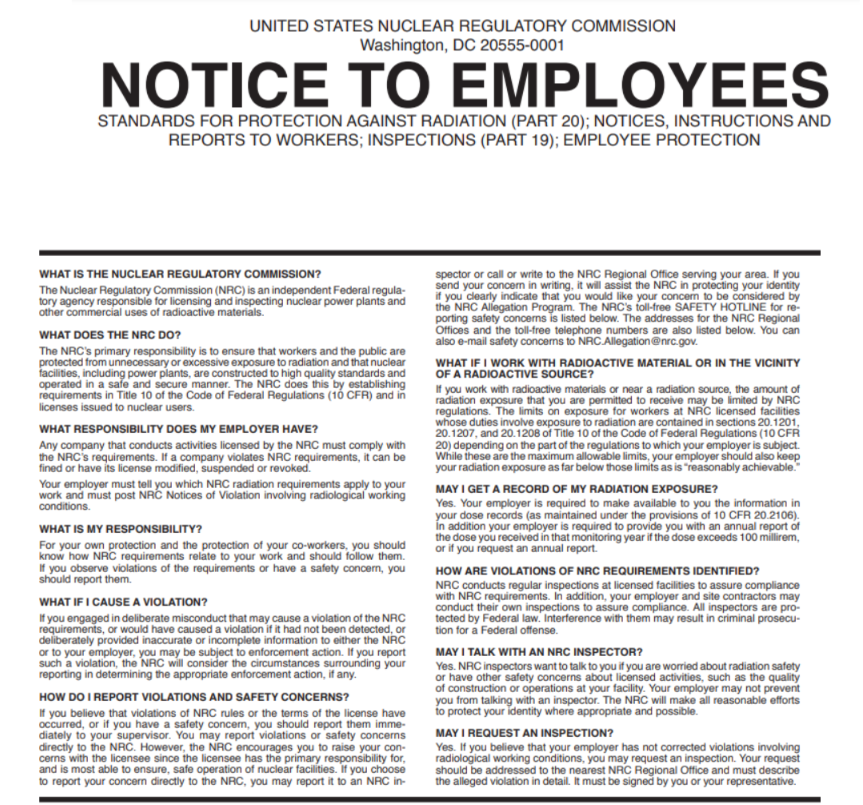
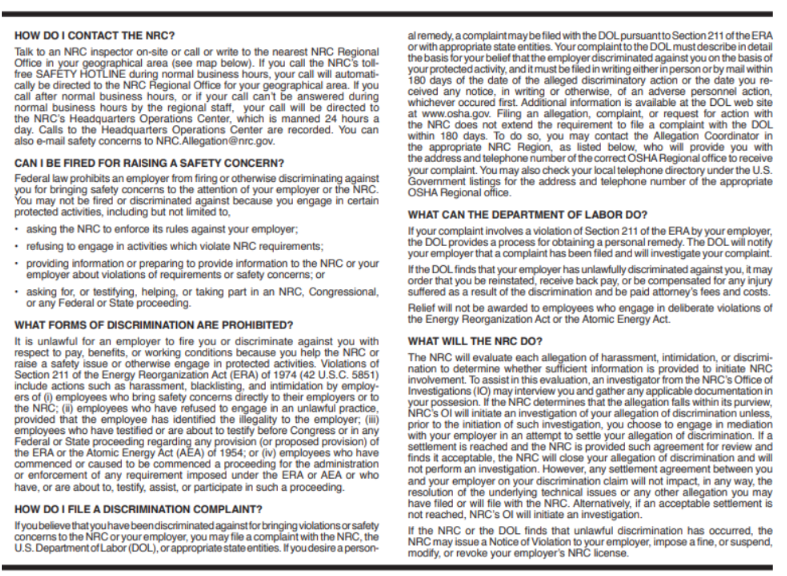
"NRC form 3 is the notice to employees that anyone using radiation has to put on the wall for employees to see and in it, it spells out a lot of the rights and the responsibilities and things that must be present" ~ Personal interview with Dr. Eric Ramsay Director, Vice President, Commissioning Services at Versant Medical Physics and Radiation Safety. (2025)
6. Versant Medical Physics and Radiation Safety: Versant has enforced safety protocols for radiation use in medical and industrial environments.
"The plight of the Radium Girls in the 1920s would teach us a great deal about the radioactive element radium and its effect on the human body. It brought to light the dangers of working with radium and created a universal understanding of the need for occupational and radiation safety measures."
(Versant Medical Physics and Radiation Safety 2022)
"Versant Medical Physics and Radiation Safety." (Versant Medical Physics and Radiation Safety 2022)
Around 1970, radium-226’s health risks led to its discontinuation outside of medical research. However, medical professionals still use radium-223 to treat specific types of cancer (with safety precautions).
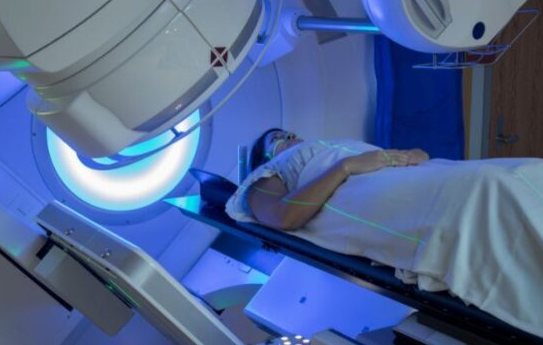
"Radiation Therapy for Breast Cancer" (Affiliated Oncologist 2023)